
Last updated: by Thanassis Koukoutselos
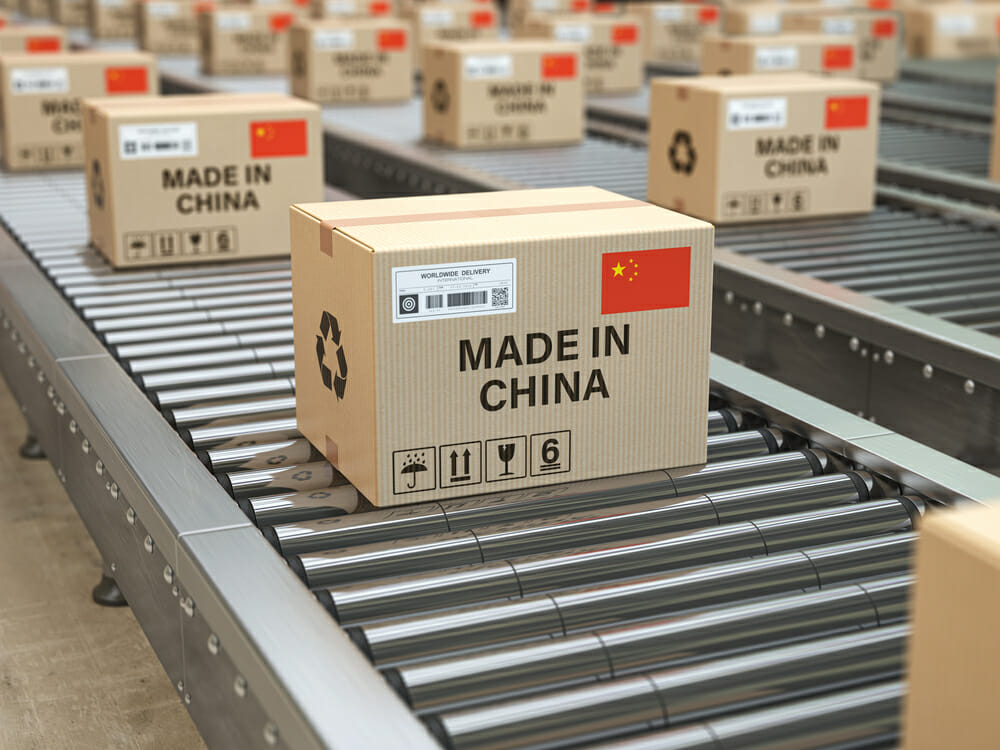
Short answer: the big basketball brands make their balls in Asia. The best-documented case, the NBA game ball, uses leather tanned in Chicago but is assembled in China. The brands are American or Japanese, but the factories are overseas, and the materials come from several countries before they meet.
Where are Spalding basketballs made?
Spalding does not publish a list of its factories. The best-documented answer is its NBA game ball: when Spalding made the NBA game ball, the ball was assembled at a factory in China from leather tanned in Chicago, then shipped by sea to Alexander City, Alabama for testing (Global Trade Magazine). To see where a specific ball was made, check the country of origin printed on the ball or its packaging.
Where are Wilson basketballs made?
Wilson is headquartered in Chicago, but its basketballs are made overseas. Reporting on the Wilson NBA game ball after the 2021 switch said the balls are made in China (NLPC, citing the Washington Free Beacon). Wilson kept Horween leather from Chicago and the eight-panel design when it took over from Spalding (Global Trade Magazine). More on the brand in our Wilson basketballs guide.
Where are Molten basketballs made?
Molten was founded in Hiroshima, Japan in 1958 and made its first ball there in 1959. Outside Japan it has group companies in Thailand (since 1989), China (2003) and Vietnam (2012) (Molten company history). Molten does not say on that page which plant makes which ball, so again the label on the ball is the reliable answer. See also our Molten basketballs guide and FIBA basketballs.
Where the parts of an NBA ball come from
A 2020 look at the NBA ball’s supply chain shows how international a single ball is (Global Trade Magazine):
| Part | Where it comes from |
|---|---|
| Leather | Cowhides mainly from Iowa and Ontario, tanned by Horween Leather Company in Chicago |
| Nylon winding | Japan |
| Rubber | Malaysia and Vietnam |
| Assembly | A factory in China; the eight leather panels are glued by hand |
| Testing | Alexander City, Alabama: inflated to 7.5 to 8.5 PSI, the ball must bounce 52 to 56 inches when dropped from 6 feet |
For what each layer does, see what basketballs are made of. For the pressure numbers, see how much air should be in a basketball.
Why are basketballs made in Asia?
Making a basketball is still partly manual work: winding, gluing panels and finishing. The NBA ball’s eight leather panels, for example, are still glued by hand. Where a ball is made says less about quality than the model does: a game ball and a budget rubber ball from the same country are built to very different standards.
How to check where your basketball was made
- Look for “Made in …” printed on one of the panels or on the box.
- On Amazon, check the product details; some listings show the country of origin, others only say “Imported”.
- If you buy for a team, ask the seller for the manufacturer’s country of origin.
FAQ
Are any basketballs made in the USA?
The leather for the NBA ball is tanned in Chicago, but the ball itself is assembled in China. We could not find a major brand that assembles basketballs in the US today.
Where is the official NBA basketball made?
It is assembled in China from US-tanned leather, Japanese nylon and Southeast Asian rubber.
Where are Spalding basketballs made?
Spalding does not publish its factory locations. Its NBA game ball was assembled in China; for any other Spalding ball, check the country of origin printed on the ball or box.

- How to Pass a Basketball (5 effective tips) - August 25, 2022
- Learn How to Spin a Basketball on your Finger in less than 3 minutes - July 18, 2022
- Where Are Basketballs Made? Spalding, Wilson and Molten (2026) - June 10, 2022
You didn’t actually state where Spalding balls are manufactured but you do Wilson.